Adaptation

Nature-Based Infrastructure for Artisanal and Small-Scale Mining Closure in Marmato, Colombia

In Marmato, Colombia, the closure of artisanal and small-scale mining (ASM) sites offers an opportunity to apply nature-based infrastructure (NBI) that restores degraded land, reduces flood and erosion risks, improves water quality, and creates sustainable livelihoods for local communities. 
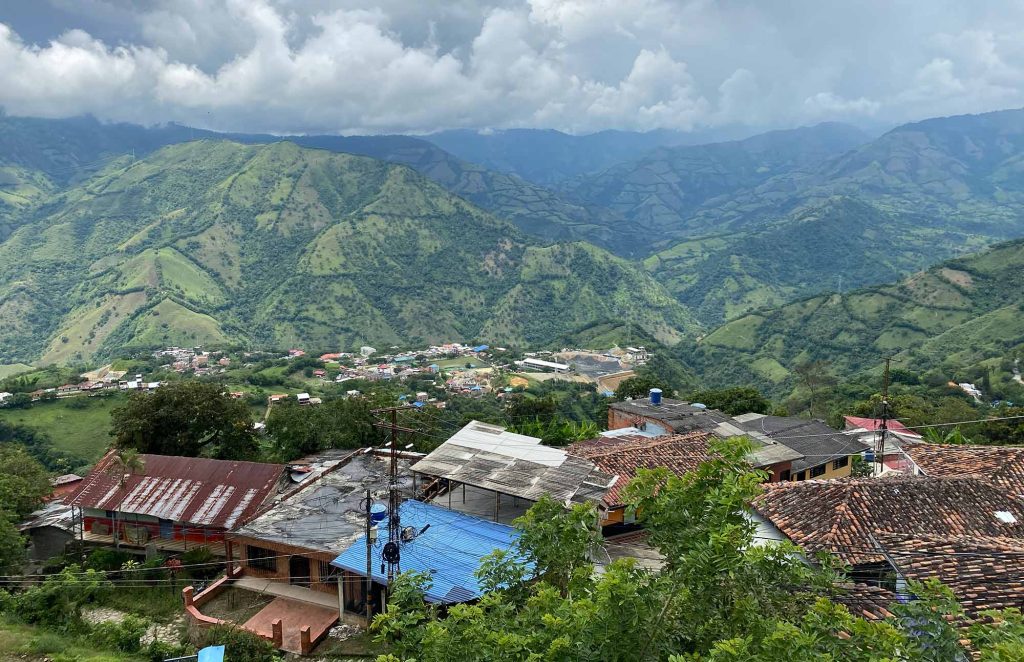
mining-nbi-colombia

Project details

Marmato, in Colombia’s Caldas region, has a centuries-old tradition of artisanal and small-scale gold mining. While the sector has provided livelihoods for thousands of people, poorly planned or unmanaged mine closures often leave behind degraded landscapes, contaminated waterways, and heightened risks of floods, erosion, and landslides. These legacies undermine community well-being and resilience, while offering few sustainable alternatives once mining ends. Today, around 9,000 residents and up to 357 small-scale mining operations are directly affected by these challenges.

Colombia’s regulatory framework for artisanal and small-scale mine closure is still emerging. Most mining areas in Marmato currently lack approved closure plans, meaning environmental risks accumulate without a clear pathway for remediation.

The NBI Global Resource Centre applied the SAVi methodology to evaluate three closure pathways: a baseline scenario in which mines are abandoned without intervention; a comprehensive closure plan implemented at the end of mine life; and a progressive closure plan in which stabilization, rehabilitation, and NBI measures are implemented gradually during operations. The quantitative analysis is based on a pilot assessment of a representative artisanal mine, with results intended as indicative rather than definitive.

The results show that mine closure in Marmato is fundamentally a risk-reduction investment. Avoided mortality risk—linked to reduced exposure to landslides, rockfalls, and tunnel collapse—represents the largest share of monetized benefits. The progressive closure plan outperforms end-of-life closure: for every USD 1 invested, the region gains USD 1.44 in return—a conservative estimate, as several social and health benefits could not be monetized due to data limitations. Earlier implementation reduces costs by making use of materials generated during operations rather than purchasing external inputs at the end of mine life, and allows risk reduction and ecosystem service benefits to accrue sooner.

NBI plays a central role in this performance. Reforestation, slope stabilization, soil remediation, and hydrological restoration contribute ecosystem services, including erosion control, carbon sequestration, and biodiversity recovery, and reinforce the long-term effectiveness of closure outcomes.